Opens in a new tab

Finance

Pay-per-use
Leases
Managed utilities
  • We offer flexible financing across our energy, water, and utility solutions, with terms typically ranging from 5 to 20 years.

    Broadreach is a finance-led utilities company with over 220 projects across Southern Africa. But we also work closely with our clients in engineering their projects, from design and sizing through to commissioning.”

Finance

Pay per use

With a pay-per-use model, Broadreach designs, finances, builds, owns, and manages the system for you. You don’t pay for the infrastructure.

This is similar to a traditional utility bill, but with improved pricing, reliability, and transparency. Contracts are typically long-term and aligned with the life of the underlying assets. Payment starts once the system is fully commissioned and operational.

Because you only pay for what is delivered, performance risk sits with us. If the system underperforms, your cost reduces accordingly. 

Tariffs are typically structured with annual escalations. These are designed to be lower than expected increases in municipal tariffs or electricity prices, allowing clients to achieve savings over time while maintaining long-term pricing visibility.
Get in touch

Best suited to

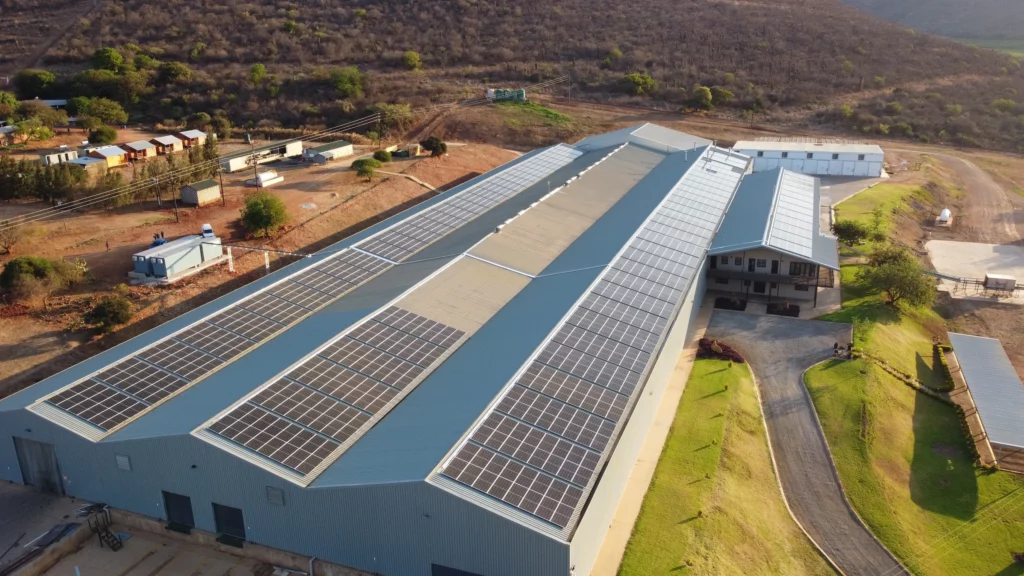
Large systems. Businesses or estates looking for a reliable supply with no upfront capital investment, and a preference for predictable, usage-based costs.

Finance

Leases

(Including rental and instalment sale)

Best suited to

Clients who prefer predictable, fixed payments and flexibility in how the system is owned and operated, whether as part of a managed solution or as a standalone financed asset.

A lease, rental, or instalment sale structure defines how you pay for the system.

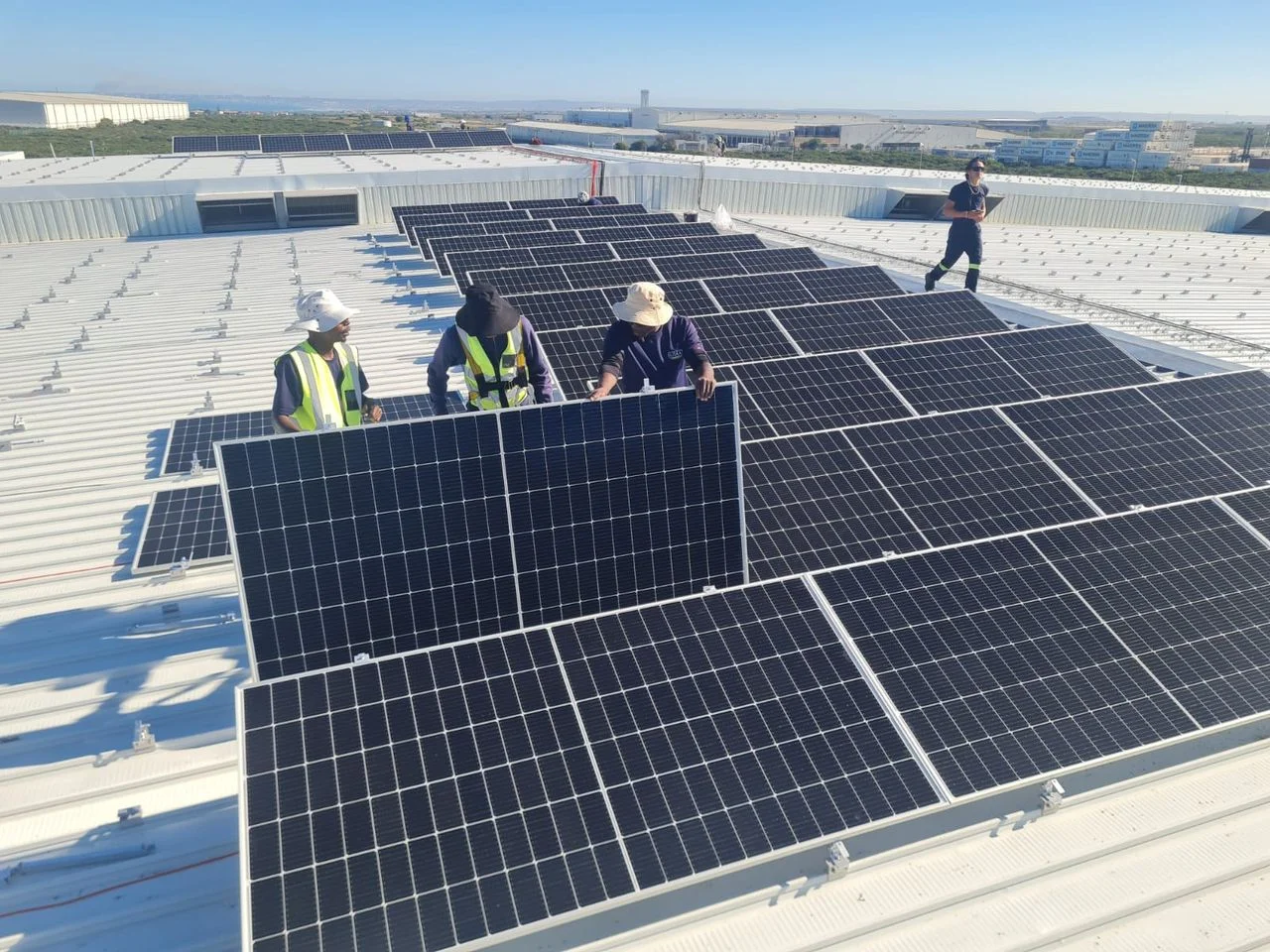
Broadreach installs and maintains the system, and you make fixed monthly payments over an agreed term. Depending on the structure, ownership may transfer to you at the end of the contract.

These arrangements typically run for 5 to 20 years, depending on the technology and commercial structure, and may include fixed or escalating payment profiles aligned to inflation or utility price trends.

Unlike pay-per-use models, payments are fixed and do not depend on usage or output. This provides certainty of cost, and timing of ownership transfer, but means the payment obligation remains regardless of system utilisation.

There are three common variations:
Variation 1

Rental (Off-balance sheet)

A rental structure involves fixed monthly payments for the use of the system, with ownership remaining with Broadreach. This is typically treated as operational expenditure (i.e. off-balance sheet) and requires no upfront capital. It can be used either as part of a managed utility solution or as a standalone financing arrangement.

Variation 2

Lease-to-own

Under a lease-to-own structure, you make fixed monthly payments and take ownership of the system at the end of the term. This provides a clear path to ownership and can be combined with either a managed solution or client-led operation.

Variation 3

Instalment Sale

An instalment sale is structured more like a traditional loan, where you purchase the asset on day one and repay the purchase price over time. This structure is typically on balance sheet and, in the case of energy solutions, may allow you to benefit from applicable tax allowances (such as Section 12B).


It is generally used where the client prefers full ownership and control from inception.

Get in touch

Finance

Managed Utilities

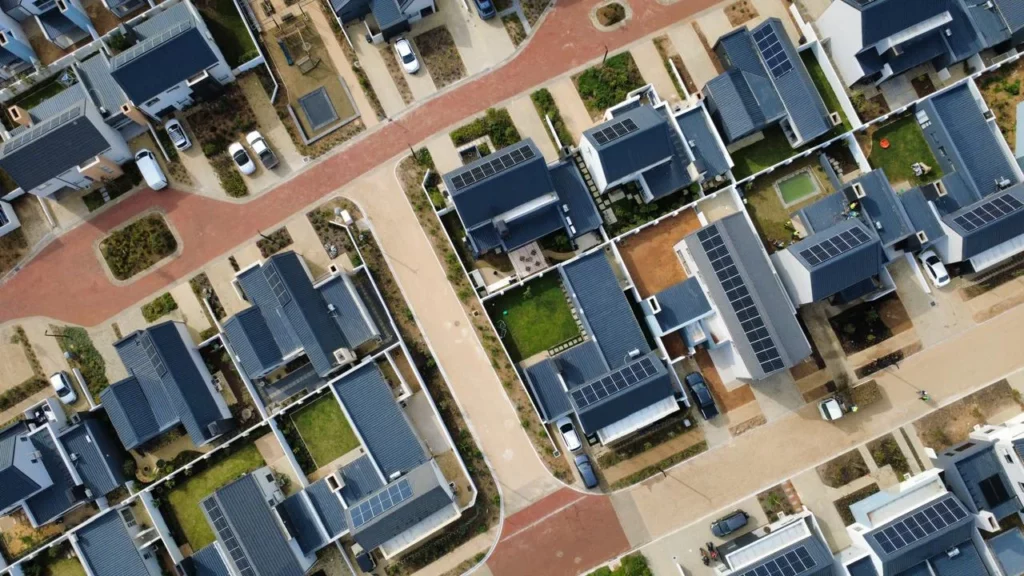
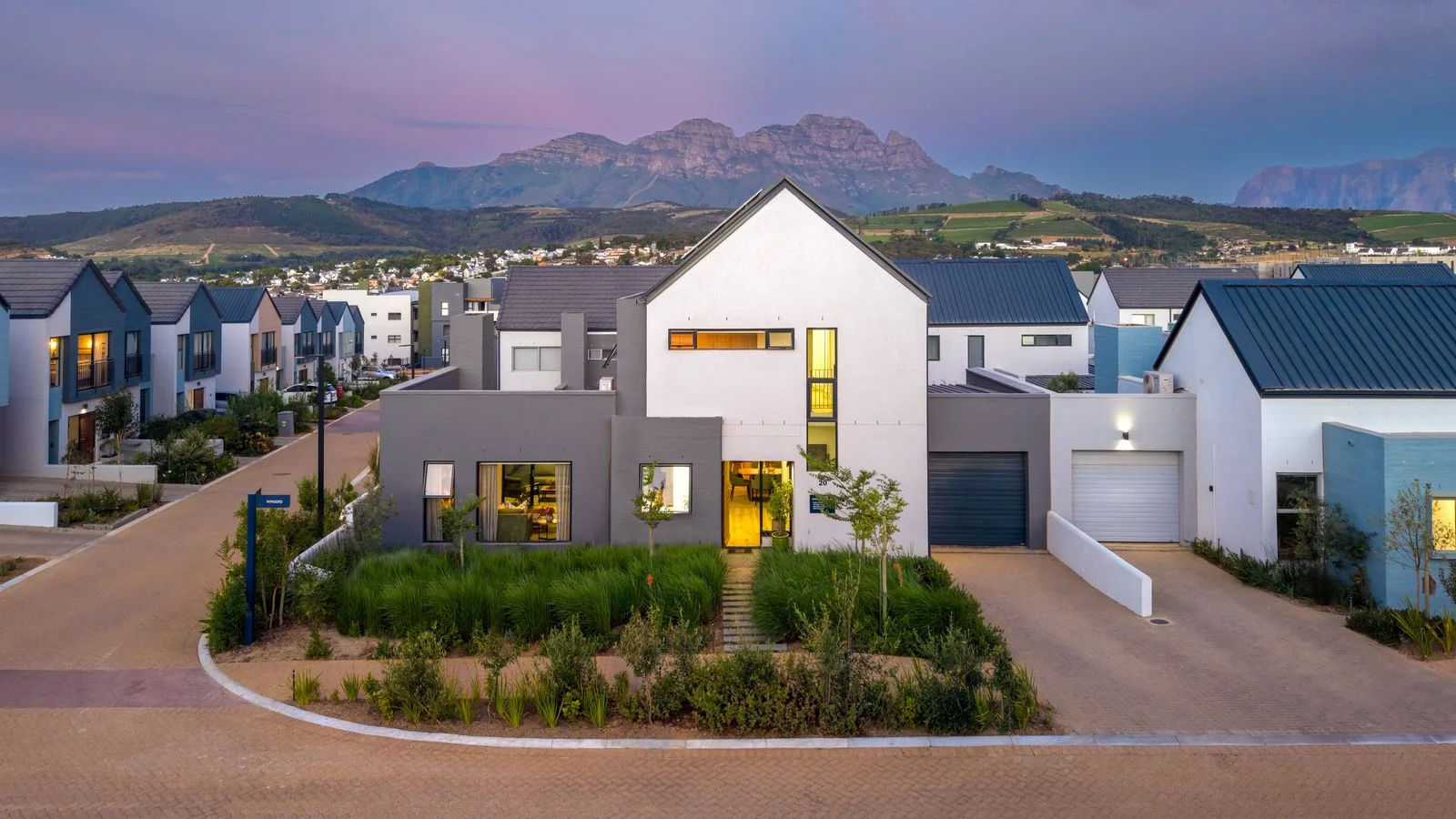
For larger or more complex sites, like residential estates, campuses, or mixed-use developments, we offer a fully managed utility solution.

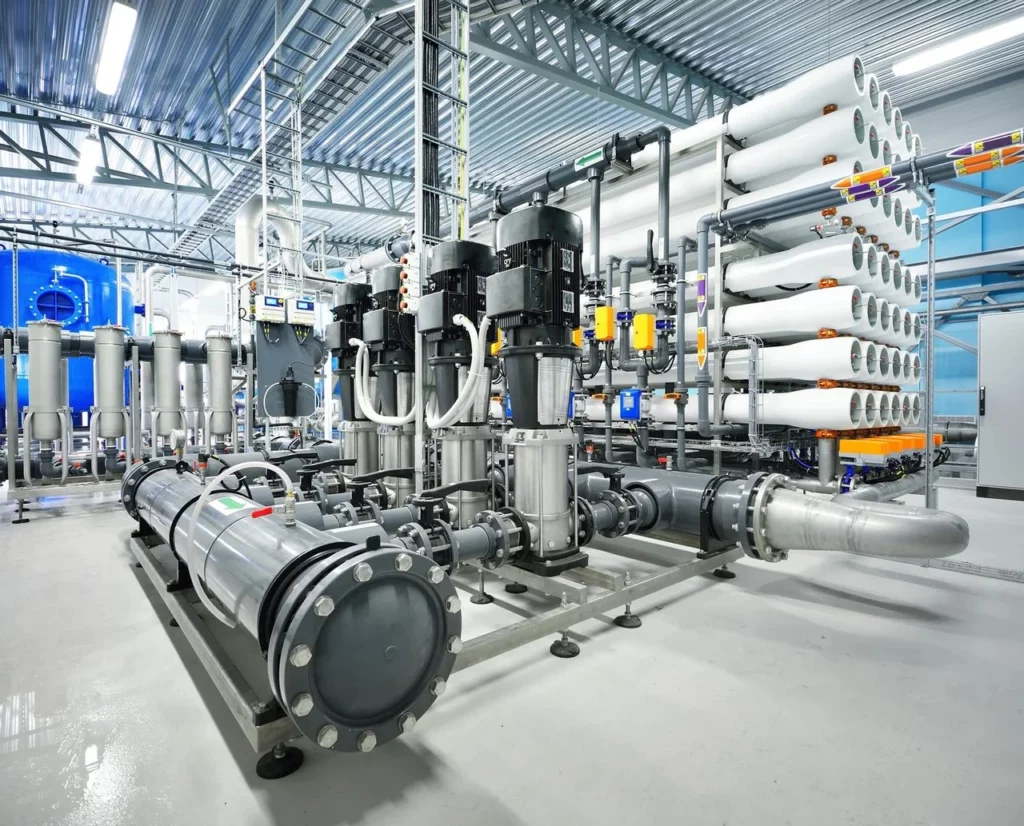
In this model, Broadreach designs, finances, builds, owns, and operates the full utility infrastructure across energy and/or water.

End users are then billed based on consumption, typically through prepaid metered systems.

It effectively creates a private utility model at site level, applying the same principles used in large-scale infrastructure to commercial and residential developments.  
Get in touch

Best suited to

Developments, estates, and multi-tenant environments where an integrated, long-term utility solution can reduce costs, improve reliability, and simplify management.

A quick glance to

Compare your options

Type
How you pay
Typical term
Who owns it
Pros
Cons
Best for
TypePay per use(PPA / WTA)
More info
How you payPay per unit delivered (kWh or kL)
Typical term10–25 years
Who owns itBroadreach owns during term; option to extend or buy

Pros

  • No upfront cost
  • Often off balance sheet
  • Pay only for what is delivered (performance risk sits with us)
  • Predictable tariffs with managed escalations

Cons

  • Long-term commitment
  • No direct tax benefits to client
  • Requires stable demand profile
Best forBusinesses in areas where supply exists but cost, quality or consistency is a concern
TypeRental(Off-balance sheet)
How you payFixed monthly payment
Typical term5–10 years
Who owns itBroadreach retains ownership

Pros

  • No upfront cost
  • Off balance sheet treatment
  • Simple, predictable cost

Cons

  • No ownership at end
  • Payments fixed regardless of usage
Best forClients prioritising simplicity, cash flow, and off-balance sheet treatment
TypeLease to own
More info
How you payFixed monthly payment 
Typical term5–20 years
You own at end

Pros

  • Ownership at end
  • Predictable payments
  • Works with managed or standalone solutions

Cons

  • On balance sheet
  • Fixed payments regardless of usage
Best forClients wanting ownership over time with structured payments
TypeInstalment Sale
How you payLoan-style repayments (capital + interest)
Typical term5–20 years
Who owns itYou purchase on day one and take ownership at the end 

Pros

  • Immediate purchase of asset
  • Potential tax benefits (e.g. Section 12B for energy)
  • Clear repayment plan

Cons

  • On balance sheet
  • VAT typically payable upfront
  • Performance risk sits with client (unless guaranteed)
Best forClients with strong cash flow wanting ownership and tax efficiency
TypeManaged Utilities
More info
How you payPay per use or hybrid billing (utility-style)
Typical term10–25 years
Who owns itBroadreach owns and operates infrastructure

Pros

  • Fully outsourced solution
  • No upfront cost
  • Optimised across multiple users
  • Integrated energy and water

Cons

  • Requires scale and multi-user setup
  • Longer-term structure
Best forEstates, campuses, and multi-tenant developments needing integrated utility solutions
Financing options