Looking for solutions
Most of our clients are looking for one or more of the following:
Ways to reduce their energy costs,
Sustainable alternatives to grid power
Strategies to reduce their carbon footprint.
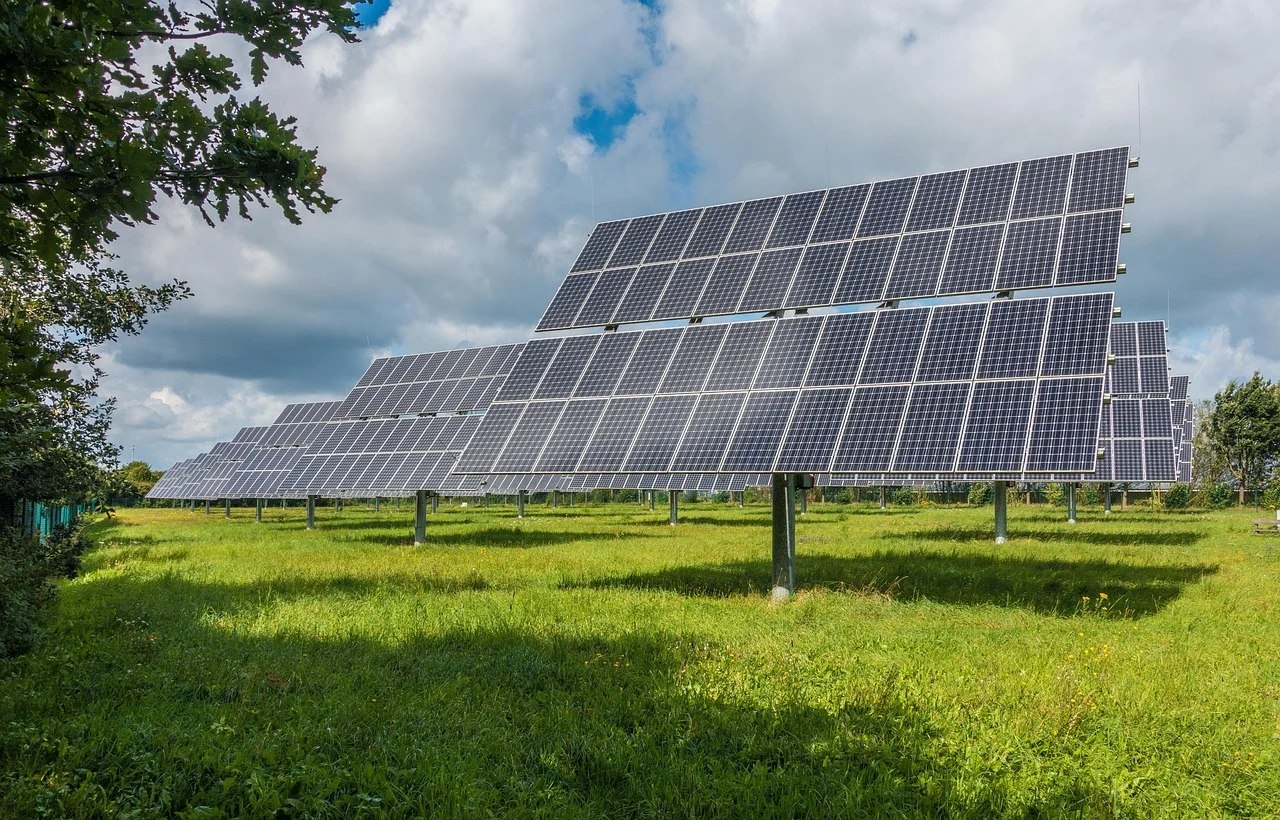
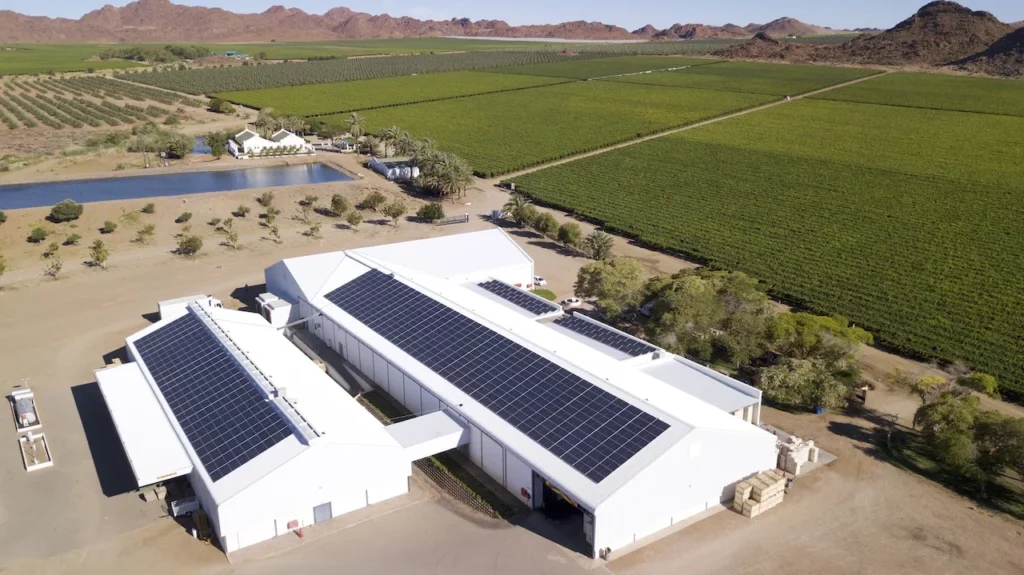
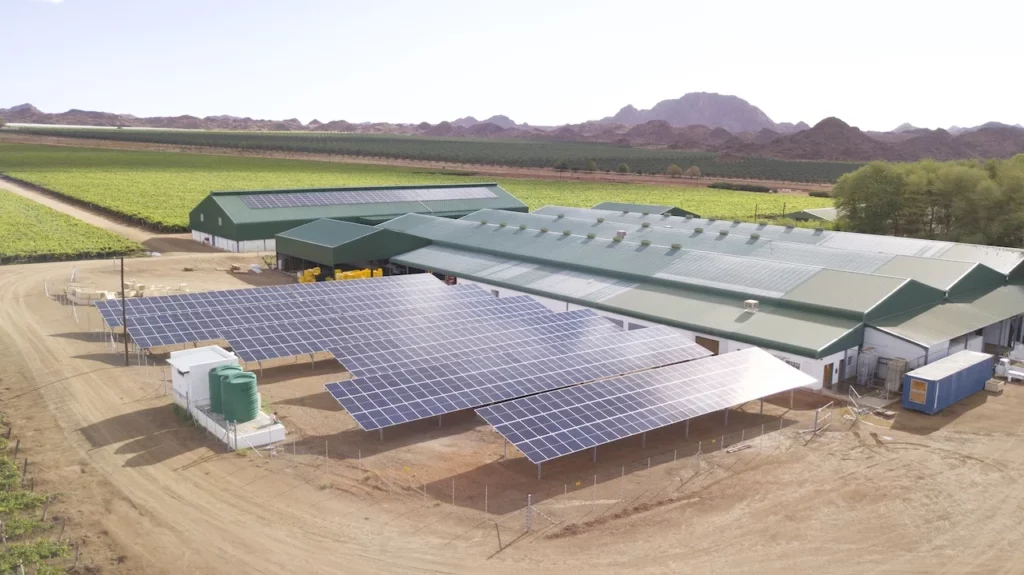

250 operational projects
Looking for solutions
Ways to reduce their energy costs,
Sustainable alternatives to grid power
Strategies to reduce their carbon footprint.
Let’s look at how and when you use electricity and identify ways to improve efficiency in areas such as heating, cooling, lighting, and the use of manufacturing equipment.
Solar PV is almost always the cheapest source of power and energy backups and batteries don’t have to break the bank. We are equipped to design a system which addresses the particular needs of your business.
Once we’ve identified what you need, we can work out a flexible funding plan to get you saving asap!
Smarter energy, built around you
There are a number of ways in which solar PV can provide you with the best electricity for your business.
During the day, solar reduces how much electricity you buy from the grid, and excess power can sometimes be fed back.
This is the simplest and most affordable setup, offering immediate savings without the cost of batteries.
The trade-off is that it only works when the grid is available. During outages, it shuts down unless backup is added. It’s best for businesses with a stable grid connection looking for a low-cost solar option.
Solar powers your operations during the day, with excess energy stored in batteries for night or cloudy periods. Most off-grid systems also include a generator for backup.
The key benefit is full independence. You don’t rely on Eskom or municipal supply, making it ideal for remote sites like farms, mines, lodges, or villages.
The downside is higher upfront cost due to batteries and generators. However, compared to running only on diesel, they’re cheaper long-term and far better for the environment.
Hybrid systems connect to the grid but include batteries and/or a generator for backup. They automatically switch between solar, grid, batteries, and generator based on cost and availability.
This makes them ideal in South Africa, where load-shedding is common. Batteries provide instant backup, while generators support longer outages. They can also reduce costs during peak demand.
The downside is higher cost and complexity. They require careful design and a larger upfront investment, but for businesses and estates needing reliable power, they offer the most seamless and secure solution.
About
Pros
Cons
About
Pros
Cons
About
Pros
Cons
Disclaimer: Carbon credits may be issued through Verified Carbon Standard project 5619 for the greenhouse gas emission reductions or removals associated with Broadreach Yield Pty Ltd projects whose emissions footprint is changed by the project activities.
